 (Image via
Taking out a personal loan can sometimes be the smartest financial decision. However, it's not something to rush into...unless you don't care about being stuck with a terrible interest rate! A lower rate can save you hundreds or even thousands of dollars over the life of the loan. Navigating the world of lenders and rates might feel intimidating, but you have the power to find a great deal. This guide is here to help you do just that. We'll break down what influences loan rates, where to look, and how to compare offers with confidence. Let's get you prepared to borrow smart.
What Determines Your Personal Loan Rate?
Before you start shopping for a loan, it's helpful to understand what lenders look at when they decide what interest rate to offer you. This isn't a random number; it's a calculated assessment of how risky it is to lend you money. The main factors are your credit score, income, and debt-to-income ratio.
Your Credit Score: The Biggest Factor
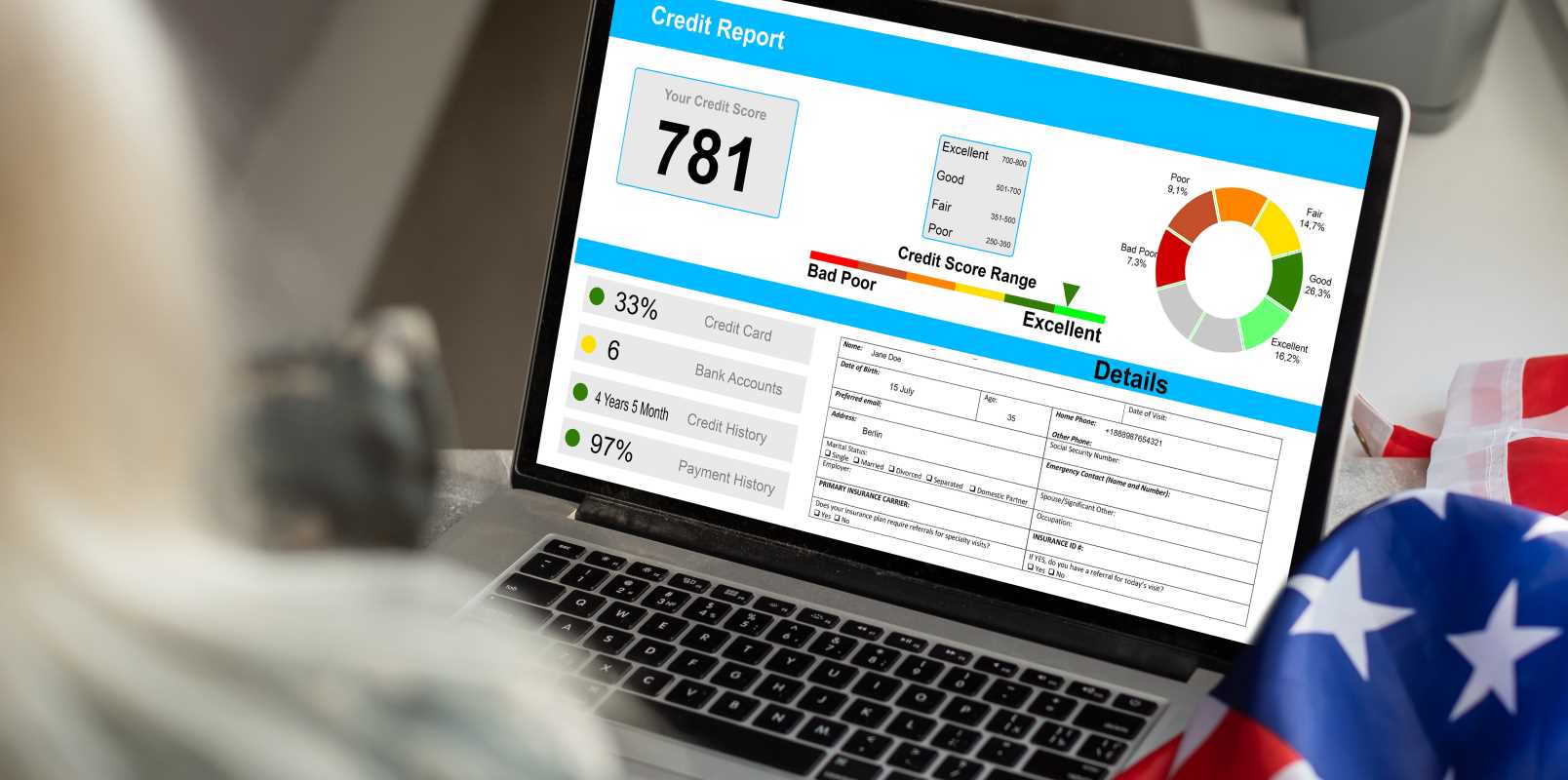
Your credit score is a three-digit number that summarizes your credit history. It tells lenders how reliably you've managed debt in the past. A higher score indicates lower risk, which means you're more likely to qualify for lower interest rates. Lenders see you as a dependable borrower.
A lower credit score suggests you've had some challenges, like missed payments or high balances. This makes you a higher risk in the eyes of a lender, and they will typically offer you a higher interest rate to compensate for that risk. Checking your credit score before you apply gives you a clear idea of where you stand.
Your Income and Employment History
Lenders need to know you have a steady and sufficient source of income to make your monthly loan payments. They will want to see proof of income through pay stubs, W-2s, or tax returns. A stable employment history also helps, as it shows you have a consistent ability to earn money. Having a higher income can sometimes help you secure a better rate because it demonstrates a strong capacity to repay the loan.
Your Debt-to-Income (DTI) Ratio
Your debt-to-income ratio is a simple but powerful metric. It's the percentage of your gross monthly income that goes toward paying your monthly debt obligations. You can calculate it by adding up all your monthly debt payments (rent/mortgage, credit cards, car loans, etc.) and dividing that total by your gross monthly income.
Lenders prefer a low DTI ratio, generally under 40%. A low DTI shows that you have plenty of room in your budget to handle a new loan payment. A high DTI, on the other hand, signals that your finances might be stretched thin, making you a riskier borrower and likely resulting in a higher interest rate offer.
Where to Find the Best Personal Loans
You have more options than ever when it comes to finding a personal loan. Looking at different types of lenders is the best way to ensure you find the most competitive rate.
Traditional Banks
Your local bank is a natural place to start your search. If you already have a checking or savings account with them, you have an established relationship. Some banks offer relationship discounts or loyalty benefits to existing customers, which could include a slightly lower interest rate on a personal loan. Banks are often a good choice for borrowers with strong credit.
Credit Unions
Credit unions are non-profit financial cooperatives owned by their members. Because they don't have to generate profits for shareholders, they often pass their earnings back to members in the form of better rates and lower fees. Credit unions are known for their member-focused service and may be more flexible with borrowers who have less-than-perfect credit. You’ll need to become a member to get a loan, which usually involves living in a certain area or belonging to a specific group.
Online Lenders
The world of online lending has exploded in recent years, offering incredible convenience and competition. These lenders operate entirely online, which means they have lower overhead costs than brick-and-mortar institutions. They can often pass these savings on to you with very competitive interest rates. Many online lenders specialize in personal loans and have a quick, streamlined application process. They are an excellent option for comparing multiple offers in a short amount of time.
Your Step-by-Step Guide to Getting the Best Rate
Now that you know what lenders are looking for and where to find them, you can take action. Follow these steps to put yourself in the driver's seat.
1. Check and Improve Your Credit
Start by getting a free copy of your credit report from a site like AnnualCreditReport.com. Review it carefully for any errors that might be hurting your score. Disputing inaccuracies can give your score a quick boost.
If your score isn't where you want it to be, take some time to improve it before applying. You can do this by paying all your bills on time and paying down existing credit card balances. Even a small increase in your score can unlock better loan offers.
2. Get Pre-Qualified with Multiple Lenders
This is the most important step for finding the best rate. Pre-qualification allows you to see the potential rates and terms you might receive without impacting your credit score. Most online lenders, banks, and credit unions offer this feature. It involves a "soft" credit inquiry, which isn't visible to other lenders.
Make sure to get pre-qualified with at least three to five different lenders. This includes a mix of banks, credit unions, and online platforms. This is the only way to know for sure who is offering the most competitive deal for your specific financial profile.
3. Compare Loan Offers Carefully
Once you have your pre-qualified offers, it's time to compare them. Don't just look at the monthly payment. Pay close attention to these key details:
- Annual Percentage Rate (APR): This is the most important number. The APR includes the interest rate plus any loan fees (like an origination fee), giving you the true annual cost of borrowing. A lower APR means a cheaper loan.
- Loan Term: This is the length of time you have to repay the loan, such as 36 or 60 months. A shorter term means higher monthly payments but less interest paid overall. A longer term lowers your monthly payment but means you'll pay more in total interest.
- Fees: Look for any origination fees, which are charged for processing the loan, or prepayment penalties, which are fees for paying the loan off early. The best loans have no such fees.
4. Formally Apply and Secure Your Loan
After you’ve compared the offers and chosen the best one for you, it’s time to submit a formal application. At this stage, the lender will perform a "hard" credit inquiry, which will appear on your credit report. You’ll need to provide documentation to verify your income, identity, and address. Once approved, the funds are typically deposited directly into your bank account within a few business days.
The content provided on HugeAmount.com is for informational and entertainment purposes only. It should not be considered as financial, investment, legal, or professional advice. While we strive to provide accurate and up-to-date information, we make no guarantees regarding the completeness, reliability, or accuracy of the content. Always consult with a qualified financial advisor or professional before making any financial decisions.