 (Image via
The stock market seems like impenetrable chaos to many outsiders. Between the highs and lows, how are you supposed to parse it all? Making sense of these movements can feel like trying to read a foreign language without a dictionary. This is where financial analysts step in to clear the fog. These professionals dedicate their careers to studying market behaviors and translating complex data into clear, actionable insights. This guide explores exactly how analysts decode stock market trends. We will break down the methods they use, from studying charts to analyzing company reports. You will learn how to use their expertise to make smarter investment decisions for your future.
Demystifying Market Trends
A market trend is simply the general direction in which a market or a specific stock is moving. Recognizing these patterns is the first step toward successful investing. Trends generally move in three directions: up, down, or sideways.
You have likely heard the terms "bull market" and "bear market." A bull market occurs when prices are rising, and investor confidence is high. Everyone is optimistic, and the economy generally feels strong. Conversely, a bear market happens when prices are falling, and fear starts to take over. Sometimes, the market does neither and simply moves sideways. This means prices are fluctuating within a narrow range without making significant progress up or down. Analysts identify these phases early to help investors adjust their strategies. Knowing the current climate helps you decide if it is time to plant seeds for growth or seek shelter to protect your assets.
The Role of the Financial Analyst
Financial analysts act as detectives in the world of finance. They do not possess crystal balls or magical powers. Instead, they rely on rigorous research, historical data, and economic indicators to form educated opinions. Their job is to sift through mountains of information that the average person simply does not have time to process.
These professionals examine everything from global political events to the price of oil. They look at how these factors influence specific industries and companies. An analyst might spend weeks studying a single company before issuing a report. They read annual reports, listen to earnings calls, and interview company management. This deep dive allows them to spot potential risks and opportunities that remain invisible to the casual observer. Relying on their legwork gives you a significant advantage.
The Foundation: Fundamental Analysis
Analysts use two main toolkits to decode trends. The first and most common is called fundamental analysis. This method focuses on the "health" of a company. Think of it like a doctor giving a patient a physical exam. The analyst looks at the company's vital signs to see if it is in good shape.
They examine revenue to see if the company is making money. They look at profit margins to see if the company is efficient. Debt levels are also scrutinized carefully. A company with too much debt might struggle if the economy slows down. Analysts also evaluate the management team. A strong, experienced leader can steer a company through tough times, while poor leadership can sink even a profitable business. Fundamental analysis answers the question: "Is this a good company to own?" It helps determine the intrinsic value of a stock, regardless of its current price.
The Timing: Technical Analysis
The second toolkit is known as technical analysis. This method focuses less on the company's business and more on the stock's price history. Technical analysts believe that price movements follow patterns that tend to repeat themselves. They spend their time studying charts and graphs.
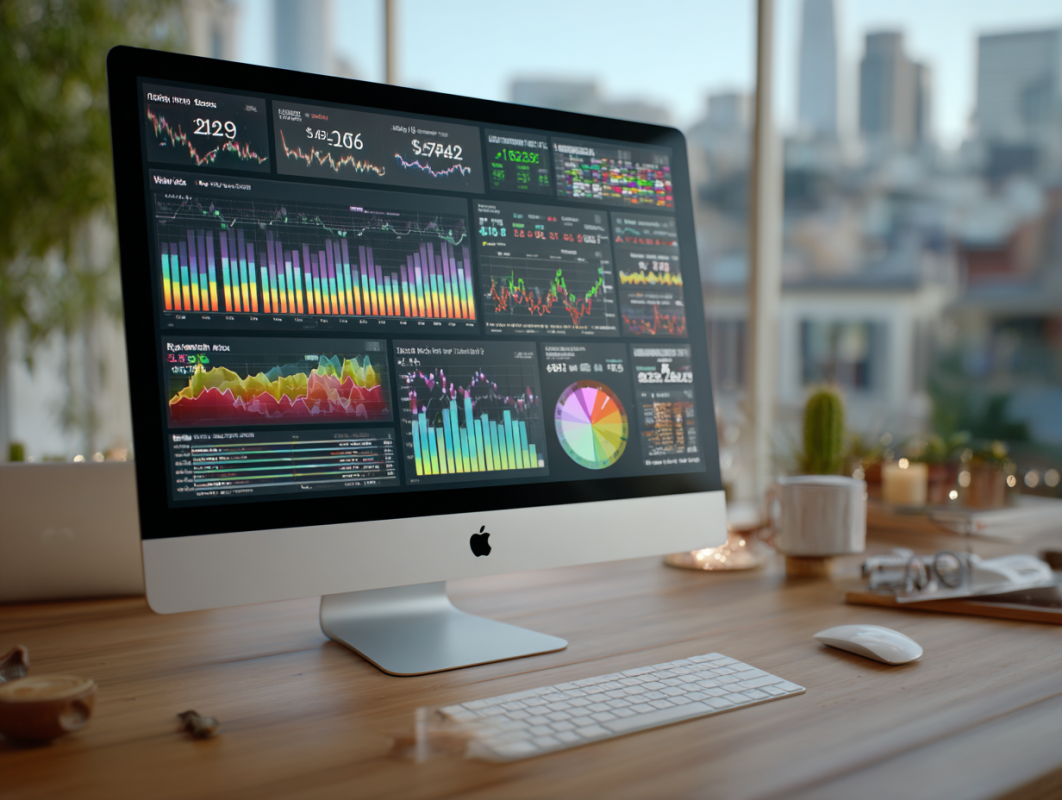
Imagine trying to predict the weather by looking at past climate data. Technical analysis works in a similar way. Analysts look for "support levels," which are price points where a stock has historically stopped falling. They also look for "resistance levels," which are ceilings where the price has struggled to break through. They use these patterns to predict where the price might go next. This approach answers the question: "Is now the right time to buy or sell?" It is particularly useful for understanding short-term market psychology and timing your entry into the market.
Gauging Market Sentiment
Markets are driven by people, and people are driven by emotions. Fear and greed are powerful forces that can push prices far above or below what they are actually worth. Analysts work hard to decode this "market sentiment."
Sentiment analysis involves taking the temperature of the market's mood. Analysts look at indicators like the Volatility Index (VIX), often called the "fear gauge." A high VIX suggests that investors are nervous and expecting big price swings. A low VIX usually indicates calmness and complacency. Analysts also monitor news headlines and social media trends. A sudden surge of negative news about a specific industry can trigger a sell-off, even if the underlying businesses are strong. Understanding the emotional state of the market helps analysts distinguish between a temporary panic and a true change in a trend.
Decoding Analyst Ratings
You will often see analyst reports that come with specific ratings. These usually fall into three main categories: Buy, Sell, and Hold. Understanding what these terms actually imply is crucial for using them effectively.
A "Buy" rating, sometimes called "Outperform" or "Overweight," suggests the analyst believes the stock will perform better than the overall market in the near future. It is a vote of confidence. A "Sell" rating, or "Underperform," indicates the analyst expects the stock price to drop. This is a warning sign to re-evaluate your position. A "Hold" or "Market Perform" rating is a middle ground. It means the analyst thinks the stock will likely move in line with the rest of the market. It might not be the best time to buy more, but there is no urgent reason to sell what you have. These ratings are professional opinions, not guarantees, but they serve as excellent guideposts for your own research.
The Danger of DIY Trend Spotting
Trying to decode market trends entirely on your own can be risky. Emotional biases often cloud our judgment. We might fall in love with a stock because we like the company's products, ignoring clear signs of financial trouble. We might panic and sell during a downturn, locking in losses just before the market recovers.
Confirmation bias is another common trap. This happens when we only look for information that supports what we already believe and ignore evidence to the contrary. Professional analysts are trained to remain objective. They follow strict methodologies to minimize bias. Partnering with an expert or following credible analyst research provides a necessary reality check. It adds a layer of discipline to your investment strategy that is hard to maintain alone.
Finding the Right Expert Guidance
Not all analysts have the same approach or track record. Finding the right source of information is important. You should look for analysts or research firms that are transparent about their methodology.
Legitimate analysts will always explain why they hold a certain opinion. They will back up their claims with data, charts, and logical reasoning. Be wary of anyone who promises guaranteed returns or "hot stock tips" without substance. Reputable financial services websites and brokerage platforms aggregate ratings from top analysts. This allows you to see the consensus view. If ten out of twelve analysts rate a stock as a "Buy," it carries more weight than a single opinion.
You can also choose to work with a personal financial advisor who has access to institutional-grade research. They can act as a filter, curating the most relevant analyst insights for your specific goals and risk tolerance.
The Long-Term Perspective
Analysts help you navigate the day-to-day noise, but their true value lies in helping you build long-term wealth. Trends can last for years. The rise of the internet in the 1990s or the shift toward renewable energy today are examples of "secular trends"—massive, long-term shifts that reshape the economy.
Analysts identify these mega-trends early. They help you position your portfolio to benefit from these slow-moving but powerful currents. This keeps you focused on the big picture. Instead of worrying about what the market did yesterday, you can focus on where it is likely to be five or ten years from now. This perspective is the key to sleeping soundly at night, regardless of daily volatility.
Taking Action on Information
Knowledge is only power if you use it. Accessing analyst research is easier than ever before. Many brokerage accounts provide free access to detailed reports as part of their service. Reading these reports can be an education in itself.
Start by looking up the analyst ratings for the stocks you already own. Read the reasoning behind the ratings. Does the analyst see a risk you missed? Do they highlight a growth opportunity you hadn't considered? Use this information to challenge your own assumptions. You do not have to follow every recommendation blindly. Instead, use analyst insights to make more informed, deliberate choices.
The content provided on HugeAmount.com is for informational and entertainment purposes only. It should not be considered as financial, investment, legal, or professional advice. While we strive to provide accurate and up-to-date information, we make no guarantees regarding the completeness, reliability, or accuracy of the content. Always consult with a qualified financial advisor or professional before making any financial decisions.