 (Image source: Midjourney)
 Things are always changing in the world of finance, and peer-to-peer lending is one of those recent changes. This system allows people to borrow and lend money outside of the traditional confines of a bank. You might have heard the term before, but maybe you're not quite sure what it means or how it works. That's perfectly okay, and we're here to clear it up for you. This guide will walk you through the world of P2P lending, explaining what it is, how you can get involved as a borrower or an investor, and what to look for in a platform. Let’s get you ready to explore this modern financial tool with confidence.
What is Peer-to-Peer (P2P) Lending?
Peer-to-peer lending connects individual borrowers directly with individual investors who are willing to lend them money. Think of it as a financial matchmaking service. Instead of going to a bank to get a loan, a borrower can use a P2P platform to request funds. On the other side, investors can browse these loan requests and choose to fund them in exchange for earning interest.
The P2P platform acts as the middleman. It handles all the logistics, such as verifying the borrower's identity and creditworthiness, processing payments, and distributing the returns to the investors. By cutting out the traditional financial institution, P2P lending can often provide more favorable terms for both parties. Borrowers may find lower interest rates than they would at a bank, and investors can potentially earn higher returns than they would from a savings account or CD.
How P2P Lending Works for Borrowers
For someone in need of a loan, P2P platforms offer a streamlined and often faster alternative to the traditional banking process. It’s a popular option for personal loans to consolidate debt, finance a home improvement project, or cover a major expense.
The Application Process
- Choose a Platform: The first step is to select a reputable P2P lending site. You’ll then fill out an online application. This will include personal information, the amount you want to borrow, and the purpose of the loan.
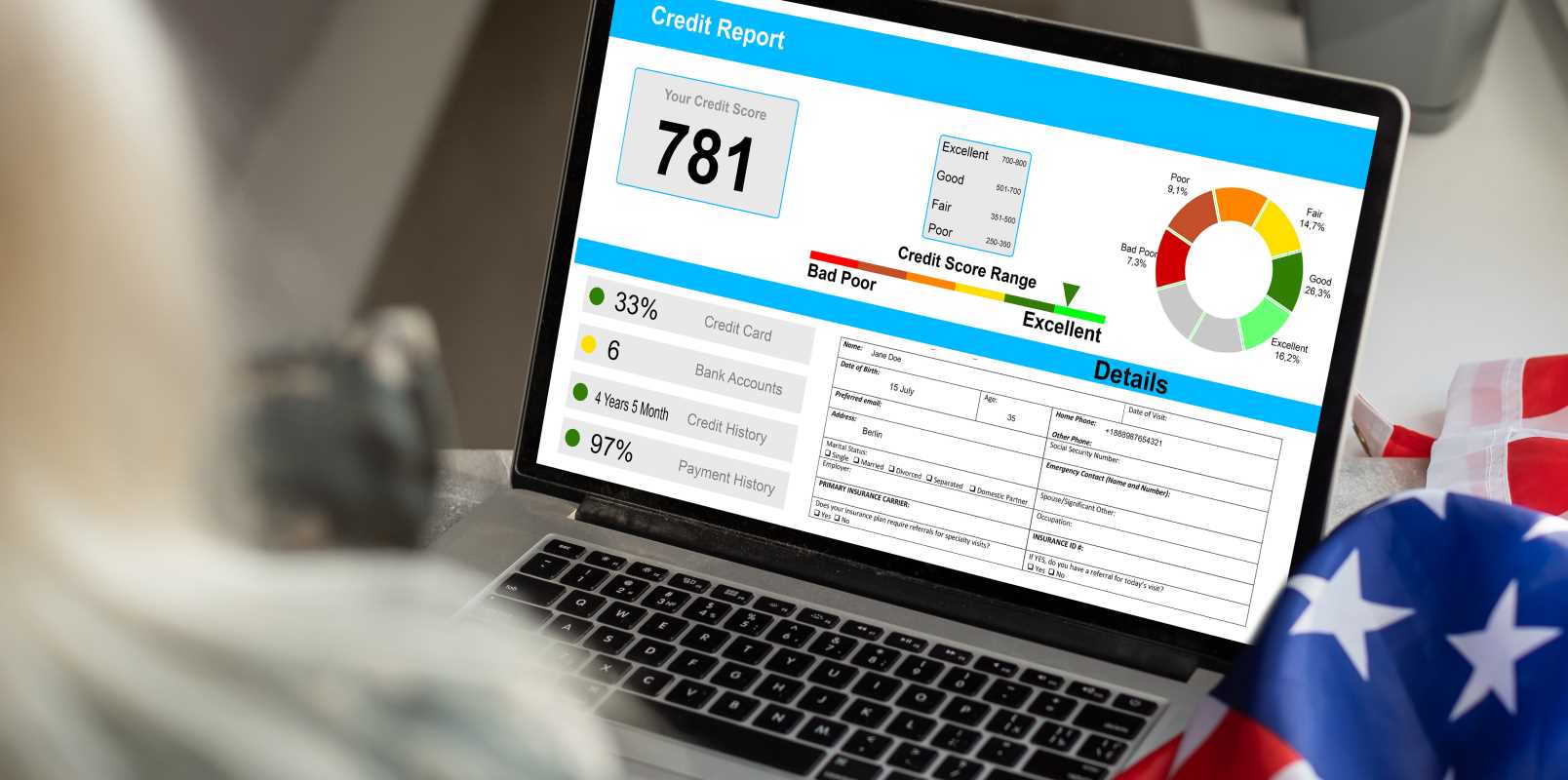
- Verification and Risk Assessment: The platform will run a credit check and verify your income to assess your creditworthiness. It will then assign you a risk grade or rating. This rating, which is based on factors like your credit score and debt-to-income ratio, determines the interest rate you will be offered. A lower risk grade typically leads to a lower interest rate.
- Loan Listing and Funding: Once approved, your loan request is listed on the platform's marketplace. Investors can then review your loan profile (anonymously) and decide whether to fund a portion of it. Most loans are funded by many different investors, each contributing a small amount.
- Receiving Your Funds: After your loan is fully funded, the money is deposited directly into your bank account. The P2P platform usually deducts an origination fee from the loan amount before you receive it. You then begin to make fixed monthly payments back to the platform, which distributes the principal and interest to your investors.
Benefits for Borrowers
- Competitive Interest Rates: Because P2P platforms have lower overhead than banks, they can often offer more competitive, and sometimes lower, interest rates, especially for borrowers with good credit.
- Quick and Convenient: The entire application process is done online and is typically much faster than applying for a loan at a bank. You can often get approved and receive funds within a few days.
- Accessibility: P2P lending may provide an option for borrowers who might not qualify for a traditional bank loan.
How P2P Lending Works for Investors
For investors, P2P lending presents an opportunity to generate passive income through interest payments. It allows you to act like a bank, earning returns by lending out your money.
Getting Started as an Investor
- Open an Account: You'll start by opening an account on a P2P platform and depositing funds. Most platforms have a minimum investment amount, which is often quite low, making it accessible to many people.
- Browse and Select Loans: You can browse the loan marketplace and manually select the individual loans you want to invest in. Each loan listing provides details about the borrower’s risk grade, the loan purpose, and the interest rate.
- Diversify Your Investment: The key to successful P2P investing is diversification. Instead of putting all your money into one loan, it’s wise to spread your investment across hundreds of different loans in small increments (e.g., $25 per loan). This strategy minimizes your risk. If one borrower defaults and is unable to pay back their loan, it will only have a small impact on your overall portfolio.
- Automated Investing: Many platforms offer an automated investing tool. You can set your desired investment criteria—such as risk levels and loan terms—and the platform will automatically invest your funds for you as new loans become available.
- Earn Returns: As borrowers make their monthly payments, you receive a portion of the principal and interest back in your account. You can then choose to withdraw this money or reinvest it into new loans to compound your returns.
Potential Risks for Investors
- Default Risk: The primary risk for investors is that a borrower will default on their loan, meaning you could lose your entire investment in that loan. Diversification is the best way to mitigate this risk.
- Market Risk: The P2P lending market can be affected by broader economic conditions. During an economic downturn, default rates could rise.
- Lack of Liquidity: Your investment is tied up for the duration of the loan term. It is not as liquid as buying a stock that you can sell at any time.
Choosing the Right P2P Platform
With several platforms available, it’s important to do your homework to find one that is trustworthy and suits your goals.
What to Look For
- Reputation and History: Look for established platforms that have been operating for several years and have a solid track record. Read reviews and check their historical data on loan performance and default rates.
- Transparency: A good platform will be transparent about its fees, its borrower screening process, and the historical returns for its investors.
- For Borrowers: Compare interest rates (APRs) and origination fees across different platforms. Use their pre-qualification tools to see what rates you might get without affecting your credit score.
- For Investors: Look at the minimum investment requirements, the tools available for diversification, and the historical net returns after accounting for fees and defaults.
The content provided on HugeAmount.com is for informational and entertainment purposes only. It should not be considered as financial, investment, legal, or professional advice. While we strive to provide accurate and up-to-date information, we make no guarantees regarding the completeness, reliability, or accuracy of the content. Always consult with a qualified financial advisor or professional before making any financial decisions.