 (Image via
If you're struggling with a litany of due dates, interest rates, and fees, managing your credit can feel impossible. While it may be stressful, there are solutions out there that can help get you on track. Consolidating your debt with a low-interest loan is a powerful strategy to simplify your life and save money. This guide is designed to walk you through the process with clarity and support. We will explain exactly how consolidation works, help you determine if it is the right move for you, and provide the tools you need to secure a loan that fits your budget. Taking this step is a brave act of self-care that puts you back in the driver's seat of your financial future.
Understanding the Basics of Debt Consolidation
Debt consolidation might sound like a complex financial term, but the concept is actually quite simple and empowering. You essentially take out one new loan to pay off several smaller debts. Imagine trading in five noisy, demanding creditors for just one manageable monthly payment. This new loan typically comes with a lower interest rate than your credit cards, which is where the real magic happens.
Paying less interest means more of your hard-earned money goes toward the principal balance of your debt rather than just servicing the bank's fees. Lowering your interest rate can shave months or even years off your repayment timeline. It also clears mental clutter. Instead of juggling multiple due dates and minimum payments, you have a single bill to focus on. This streamlined approach allows you to organize your budget more effectively and reduces the stress of missing a payment.
How Low-Interest Loans Work for You
The mechanics of a consolidation loan are straightforward. You apply for a personal loan from a bank, credit union, or online lender for the total amount of debt you wish to combine. Once approved, the lender may send the funds directly to your creditors to pay off those balances, or they may deposit the money into your account for you to pay them off yourself.
You are then left with the new loan. This loan will have a fixed interest rate and a fixed repayment term, usually ranging from two to five years. Having a fixed rate is a huge advantage because your monthly payment will never change. You know exactly how much you need to budget every single month until the debt is gone. This predictability provides a sense of security and stability that variable-rate credit cards simply cannot offer.
Recognizing When to Consider Consolidation
Deciding to consolidate is a personal choice, but there are clear signs that it might be the right path for your journey. You should look closely at your current interest rates. Credit cards often carry rates of 20% or higher. A personal loan might offer a rate significantly lower than that, depending on your credit history. The savings in interest alone can be substantial.
Feeling overwhelmed by the sheer number of bills is another valid reason to make a change. Missing payments because you lost track of a due date hurts your credit score and adds unnecessary late fees. Consolidation solves this logistical nightmare instantly. Also, consider this option if you have a steady income and are committed to not running up new debt. It works best as part of a broader commitment to financial wellness.
Exploring Different Types of Consolidation Loans
You have options when it comes to choosing a consolidation loan, and picking the right one is key to your success.
Unsecured Personal Loans
These are the most common type of consolidation loans. "Unsecured" means you do not have to put up any collateral, like your house or car, to get the loan. Lenders approve you based on your creditworthiness and income. Because there is no collateral involved, the approval process is usually faster, making this a great option for many people.
Secured Personal Loans
Secured loans require you to pledge an asset, such as a savings account or a vehicle, as security for the lender. These loans can be easier to qualify for if your credit score needs some work. They often come with lower interest rates because the lender takes on less risk. You must be confident in your ability to repay, however, because you could lose your asset if you default.
Balance Transfer Credit Cards
Some people choose to move their debt to a new credit card with a 0% introductory APR period. This can be a smart move if you can pay off the entire balance before the introductory period ends, usually within 12 to 18 months. Be aware that most cards charge a balance transfer fee, usually 3% to 5% of the total amount.
The Vital Role of Your Credit Score
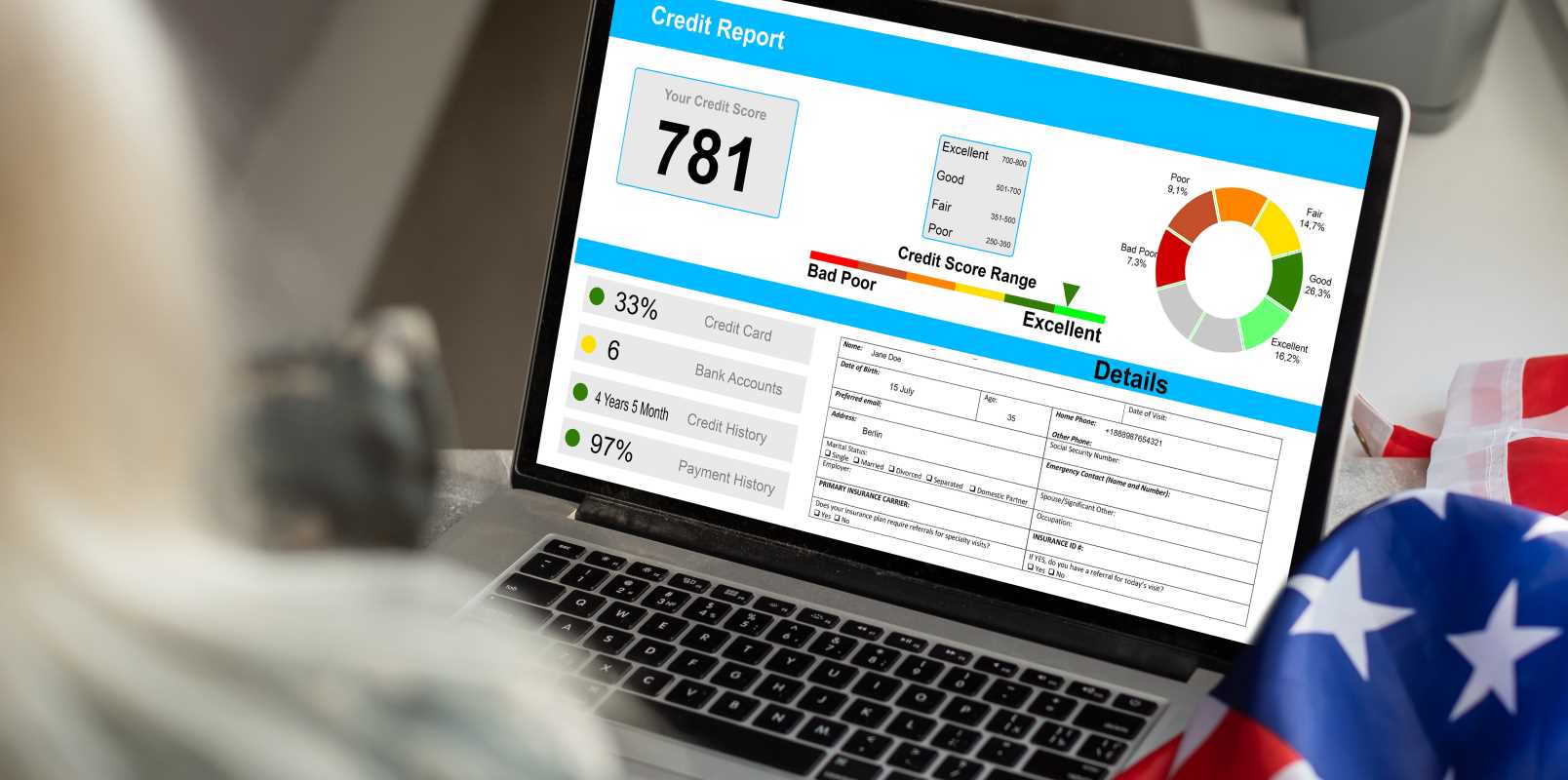
Your credit score is the most important factor in determining the interest rate you will receive. Lenders use this three-digit number to assess how risky it is to lend to you. A higher score generally unlocks the lowest interest rates and the most favorable terms.
Checking your credit report before you apply is a smart first step. You can get a free copy of your report annually from the major credit bureaus. Look for any errors that might be dragging your score down and dispute them. Even a small improvement in your score can save you money over the life of your loan. Knowing your score beforehand also helps you shop around, as you can see which lenders cater to your specific credit profile.
Calculating Your Potential Savings
doing a little math before you sign any paperwork ensures that consolidation is truly beneficial for you. You want to make sure the new loan actually saves you money in the long run.
Start by adding up the total amount you pay each month for your current debts. Then, use an online loan calculator to estimate the monthly payment for a consolidation loan with your desired loan amount and term. Compare these two numbers. Ideally, the new monthly payment should be lower.
Next, look at the total interest costs. Multiply your current monthly payments by the number of months left to pay them off. Do the same for the new loan proposal. The total cost of the new loan should be less than what you would pay by staying the course. This comparison gives you the hard data you need to make a confident decision.
Steps to Apply for a Consolidation Loan
Applying for a loan is a structured process, and being prepared makes it much smoother.
Shop Around
Do not settle for the first offer you see. Lenders vary greatly in their rates and fees. Check with your local bank or credit union first, as they may offer loyalty discounts. Then, explore online lenders who specialize in debt consolidation. Many allow you to "pre-qualify" to see your potential rate without hurting your credit score.
Gather Your Documents
Lenders need to verify your identity and your ability to repay the loan. Have your government-issued ID, proof of income (like pay stubs or tax returns), and a list of the debts you want to consolidate ready to go. Having these documents organized shows lenders that you are responsible and serious.
Submit Your Application
Once you have chosen a lender, complete the formal application. Be honest and accurate with all your information. Double-check your entries to avoid delays. After you submit, the lender will review your details and give you a final decision.
Avoiding Common Pitfalls
Consolidating debt is a tool, not a magic wand. There are a few traps to watch out for to ensure you stay on the path to freedom.
Origination fees are one such cost. Some lenders charge a fee, often 1% to 8% of the loan amount, just to process the loan. Make sure you factor this into your savings calculation. A loan with a slightly higher interest rate but no fee might actually be cheaper than a loan with a lower rate and a high fee.
Another risk is extending your repayment term too much. Stretching your payments out over five or seven years will lower your monthly bill, but it might mean you pay much more in interest over time. Try to choose the shortest term that still offers a monthly payment you can comfortably afford.
Maintaining Healthy Financial Habits
Securing the loan is just the beginning of your new financial chapter. The most critical step comes after the balances on your credit cards hit zero. You must resist the temptation to run those balances back up.
Closing your credit card accounts might seem like a good idea, but it can actually hurt your credit score by reducing your available credit and shortening your credit history. A better strategy is to keep the accounts open but put the cards away in a safe place where you cannot use them for impulse purchases. Consider using them only for a small, recurring subscription and paying it off immediately to keep the account active.
Building a Support System
Changing your financial life is hard work, and you do not have to do it in isolation. Talk to your family or a trusted friend about your goals. Having someone to cheer you on can make a big difference on tough days.
There are also many non-profit credit counseling agencies that offer free or low-cost advice. They can help you create a budget, review your loan options, and provide ongoing educational resources. Remember that seeking help is a sign of strength. You are building a community of support around your financial well-being.
The content provided on HugeAmount.com is for informational and entertainment purposes only. It should not be considered as financial, investment, legal, or professional advice. While we strive to provide accurate and up-to-date information, we make no guarantees regarding the completeness, reliability, or accuracy of the content. Always consult with a qualified financial advisor or professional before making any financial decisions.