 (Image via
Many milestones, like buying a home, come with an unexpected side of stress. Crunching the numbers is probably not part of your fantasy, but finding a mortgage that works is absolutely an important part of the process. Online mortgage calculators are powerful allies that strip away the confusion and put you in control. These digital tools allow you to estimate your monthly payments and interest rates from the comfort of your couch. We have created this guide to help you navigate these tools with confidence. You will learn exactly what data to input, how to interpret the results, and why understanding these numbers is crucial for your financial health. Empowering yourself with this knowledge ensures you can house hunt with a clear, realistic budget in mind.
The Power of Digital Mortgage Tools
Technology has democratized the home-buying process. Years ago, you had to visit a bank branch and speak to a loan officer just to get a rough idea of what a mortgage might cost. Today, free online calculators are available instantly on almost every real estate and banking website. These tools empower you to explore different scenarios without any pressure or commitment.
Using these calculators allows you to "try on" different home prices and loan terms to see how they fit your budget. You can instantly see how saving for a larger down payment might lower your monthly bill. This immediate feedback loop is invaluable for planning your financial future. It helps you set realistic goals before you ever fall in love with a property that might be out of reach.
Essential Inputs for Accurate Calculations
Getting the most out of an online calculator requires understanding the data you need to provide. The output is only as good as the input. Most tools will ask for four or five standard pieces of information.
Home Price
This is the total cost of the property you are interested in buying. You might not have a specific house in mind yet, and that is perfectly fine. simply enter a price range that is typical for the neighborhood where you want to live. This serves as your starting point for all other calculations.
Down Payment
Your down payment is the cash you pay upfront toward the home purchase. Calculators usually allow you to enter this as a dollar amount or a percentage of the home price. Putting down more money reduces the amount you need to borrow, which typically lowers your monthly payment and saves you money on interest over the life of the loan.
Loan Term
The loan term is the length of time you have to repay the loan. The most common term in the United States is 30 years, but 15-year and 20-year options are also popular. Shorter terms generally have higher monthly payments but lower interest rates. Longer terms spread the payments out, making them smaller each month, but you end up paying more in total interest.
Interest Rate
This is the cost of borrowing money, expressed as a percentage. Rates fluctuate daily based on the economy. You can find current average rates on financial news websites to use as an estimate. Remember that your personal rate will depend on your credit history and financial situation.
How Credit Scores Influence Your Numbers
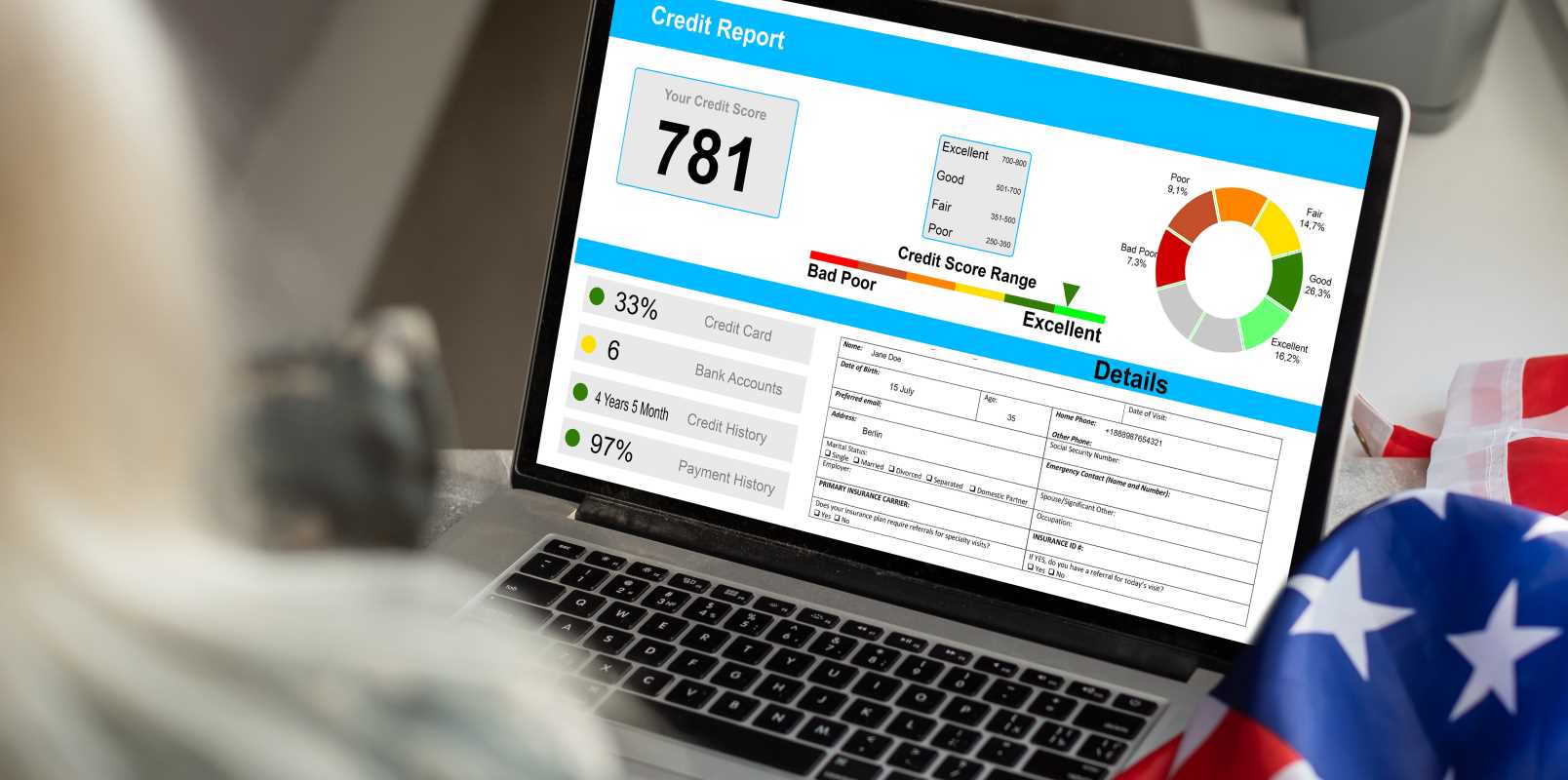
Your credit score plays a massive role in the interest rate a lender will offer you. Lenders use this three-digit number to predict how likely you are to repay your debt. A higher score tells lenders that you are a lower-risk borrower.
Online tools often include a slider or a dropdown menu for your credit score range. Adjusting this input can show you just how much money a good credit score can save you. Even a fraction of a percentage point difference in your interest rate can add up to tens of thousands of dollars in savings over a 30-year mortgage. Checking your credit score before you start using these tools will give you a much more accurate estimate of your potential costs.
Understanding the Components of Your Payment
Mortgage payments are often referred to as "PITI." This acronym stands for Principal, Interest, Taxes, and Insurance. Simple calculators might only show you the principal and interest, which can be misleading. A truly helpful calculation includes all four components to give you a complete picture of your monthly obligation.
Principal and Interest
Principal is the money that goes toward paying off the loan balance itself. Interest is the profit the bank makes for lending you the money. In the early years of a mortgage, a large portion of your payment goes toward interest. Over time, more of your payment goes toward reducing the principal.
Property Taxes
Local governments charge property taxes to fund services like schools, roads, and emergency services. This cost is usually bundled into your monthly mortgage payment. Lenders collect this money and hold it in an escrow account to pay the tax bill on your behalf when it is due. You can look up the tax history of a specific property online to get a realistic number for your calculator.
Homeowners Insurance and PMI
Lenders require you to have homeowners insurance to protect the property against damage. Like taxes, this is often included in your monthly payment. Additionally, borrowers who put down less than 20% of the home price usually have to pay Private Mortgage Insurance (PMI). This protects the lender if you stop making payments. Advanced calculators will have fields for these costs, ensuring your estimate reflects the true cost of ownership.
Exploring Different Types of Calculators
Not all calculators serve the same purpose. Different tools are designed to answer different questions during your home-buying journey. Using the right tool for your specific question can provide clearer insights.
Affordability Calculators
These tools work backward from your income and debts. You input your monthly salary, your current monthly debt payments (like student loans or car payments), and how much cash you have for a down payment. The calculator then tells you the maximum home price you can likely afford. This is a fantastic first step for anyone just beginning their search.
Amortization Calculators
An amortization schedule is a table that lists each periodic payment on a loan. These calculators show you exactly how much of each payment goes to interest versus principal over time. Seeing the breakdown can be eye-opening. It visualizes how slowly the principal balance decreases in the first few years of the loan, which is helpful for understanding the long-term cost of borrowing.
Rent vs. Buy Calculators
Deciding to purchase a home is a major lifestyle change. These calculators compare the costs of renting over a period of time versus the costs of buying. They factor in rent increases, home appreciation, tax benefits, and maintenance costs. This comparison helps you decide if buying makes financial sense for you right now.
Interpreting the Results
Seeing a monthly payment figure on a screen is helpful, but context is everything. That number needs to fit comfortably within your broader budget. Financial experts often recommend the "28/36 rule." This guideline suggests that your housing expenses should not exceed 28% of your gross monthly income, and your total debt payments should not exceed 36%.
Compare the calculator's result against your monthly take-home pay. Consider your other financial goals, like retirement savings or travel. A mortgage payment that looks affordable on paper might feel tight in reality if it prevents you from enjoying other parts of your life. Use the calculator to adjust the home price down until you find a monthly payment that leaves you with enough breathing room.
Limitations of Online Estimates
Online tools are fantastic for planning, but they are still just estimates. They cannot predict the exact rate a lender will offer you. Closing costs, which are fees paid at the signing of the mortgage, are another variable that calculators often estimate broadly. These can range from 2% to 5% of the loan amount.
HOA fees (Homeowners Association fees) are another specific cost that varies by neighborhood. If you buy a condo or a home in a planned community, this monthly fee is mandatory and affects your affordability. Always treat the calculator's result as a ballpark figure rather than a guaranteed price tag.
Taking the Next Step: Pre-Approval
Calculators prepare you for the conversation, but a lender confirms the reality. Once you have run the numbers and feel confident in your budget, the next logical step is to seek pre-approval. This involves a lender verifying your financial information and giving you a letter stating exactly how much they are willing to lend you.
Having a pre-approval letter makes you a serious buyer in the eyes of sellers. It shows that you have moved beyond online estimates and have professional backing. You can take the specific interest rate and terms from your pre-approval and plug them back into your online calculator to get precise payment figures for specific houses you visit.
The content provided on HugeAmount.com is for informational and entertainment purposes only. It should not be considered as financial, investment, legal, or professional advice. While we strive to provide accurate and up-to-date information, we make no guarantees regarding the completeness, reliability, or accuracy of the content. Always consult with a qualified financial advisor or professional before making any financial decisions.