 (Image via
Big events like getting a promotion can absolutely help boost your financial future, but real security comes from the everyday actions you choose. Cultivating positive spending habits is one of the most powerful tools you have for taking control of your money and achieving your long-term goals. It’s about being mindful and intentional with every dollar. This guide is here to walk you through practical, easy-to-adopt habits that can transform your financial outlook. Let's explore how these small shifts in your daily routine can lead to significant savings and a greater sense of security.
The Foundation: Understanding Where Your Money Goes
You cannot change what you do not measure. The first and most essential habit for better financial health is tracking your expenses. Many of us have a vague idea of how much we spend, but seeing the actual numbers can be a powerful wake-up call. Tracking isn't about judging your past purchases; it's about gathering data to make smarter choices moving forward.
This habit brings a new level of awareness to your financial life. You might discover that small, daily purchases are adding up to a surprisingly large sum or that a subscription you forgot about is still draining your account. This clarity is empowering. It moves you from being a passenger in your financial journey to being the one in the driver's seat.
How to Start Tracking Your Spending
Getting started is easier than you think. You can choose a method that fits your personality and lifestyle.
- Use a Budgeting App: Apps like Mint, YNAB (You Need A Budget), or Personal Capital can link to your bank accounts and automatically categorize your spending. This is a low-effort way to get a clear visual overview of your financial habits.
- Keep a Spending Journal: For those who prefer a more hands-on approach, a simple notebook and pen can be incredibly effective. At the end of each day, take five minutes to write down everything you spent money on. This manual process can make you feel more connected to your spending decisions.
- Try the Envelope System: This cash-based method involves allocating a set amount of cash into labeled envelopes for different spending categories (e.g., "Groceries," "Gas," "Entertainment"). Once an envelope is empty, you can't spend any more in that category until the next month.
Habit 1: The 30-Day Rule for Non-Essential Purchases
Impulse buying is one of the biggest enemies of a healthy budget. We see something we want, and the instant gratification of buying it is hard to resist. The 30-day rule is a simple but incredibly effective way to curb this tendency.
The rule is straightforward: for any non-essential purchase over a certain amount (you can set your own threshold, like $50 or $100), you must wait 30 days before buying it. Write down the item, the date, and why you want it. After 30 days have passed, revisit your note. You will often find that the intense desire to have the item has faded. This cooling-off period helps you separate a fleeting want from a genuine need, saving you from countless regrettable purchases.
Habit 2: Prioritizing Needs Over Wants
Understanding the difference between a "need" and a "want" is fundamental to smart spending. Needs are the essentials for survival and well-being: housing, food, utilities, healthcare, and transportation to work. Wants are everything else: dining out, the latest smartphone, designer clothes, and vacations.
This doesn't mean you can never spend money on wants. A life without enjoyment isn't sustainable. The habit to adopt is to always cover your needs first. Before you allocate money to a fun outing or a new gadget, ensure all your essential bills are paid and you have set aside money for savings. This simple reordering of priorities ensures your financial foundation is always secure. Create a budget that clearly lists all your needs, and make sure your income covers them before anything else.
Habit 3: Plan Your Shopping Trips with a List
Walking into a store without a plan is like inviting impulse buys to take over your cart. Whether you are shopping for groceries or clothes, making a list is a non-negotiable habit for saving money.
Before you leave the house, take inventory of what you already have and list exactly what you need to buy. Once you are in the store, commit to sticking to your list. This simple act prevents you from being swayed by clever marketing displays or "special offers" on items you do not actually need. For grocery shopping, this habit has the added benefit of reducing food waste, as you are only buying what you have a plan to use.
Habit 4: Embrace the Power of a "No-Spend" Day
A "no-spend" day is exactly what it sounds like: a full 24-hour period where you do not spend any money. This might sound extreme, but it's a fantastic habit for resetting your spending habits and boosting your creativity.
Start by trying it once a month, then maybe once a week. On these days, you challenge yourself to use what you already have. You’ll cook meals from your pantry, find free entertainment like going to a park or reading a book from your shelf, and resist the urge to make any online or in-store purchases. This habit not only saves you money directly but also helps you appreciate the resources you already possess.
Habit 5: Automate Your Savings
One of the most effective ways to save money is to make it automatic. The "pay yourself first" method is a habit that ensures your savings goals are always a top priority.
Set up an automatic transfer from your checking account to your savings account for the day after you get paid. By moving the money before you even have a chance to spend it, you treat your savings like any other mandatory bill. You can start small—even $25 per paycheck can add up over time. As you get more comfortable, you can gradually increase the amount. This habit builds your savings effortlessly and removes the temptation to skip saving "just this once."
Habit 6: Unsubscribe from Marketing Emails
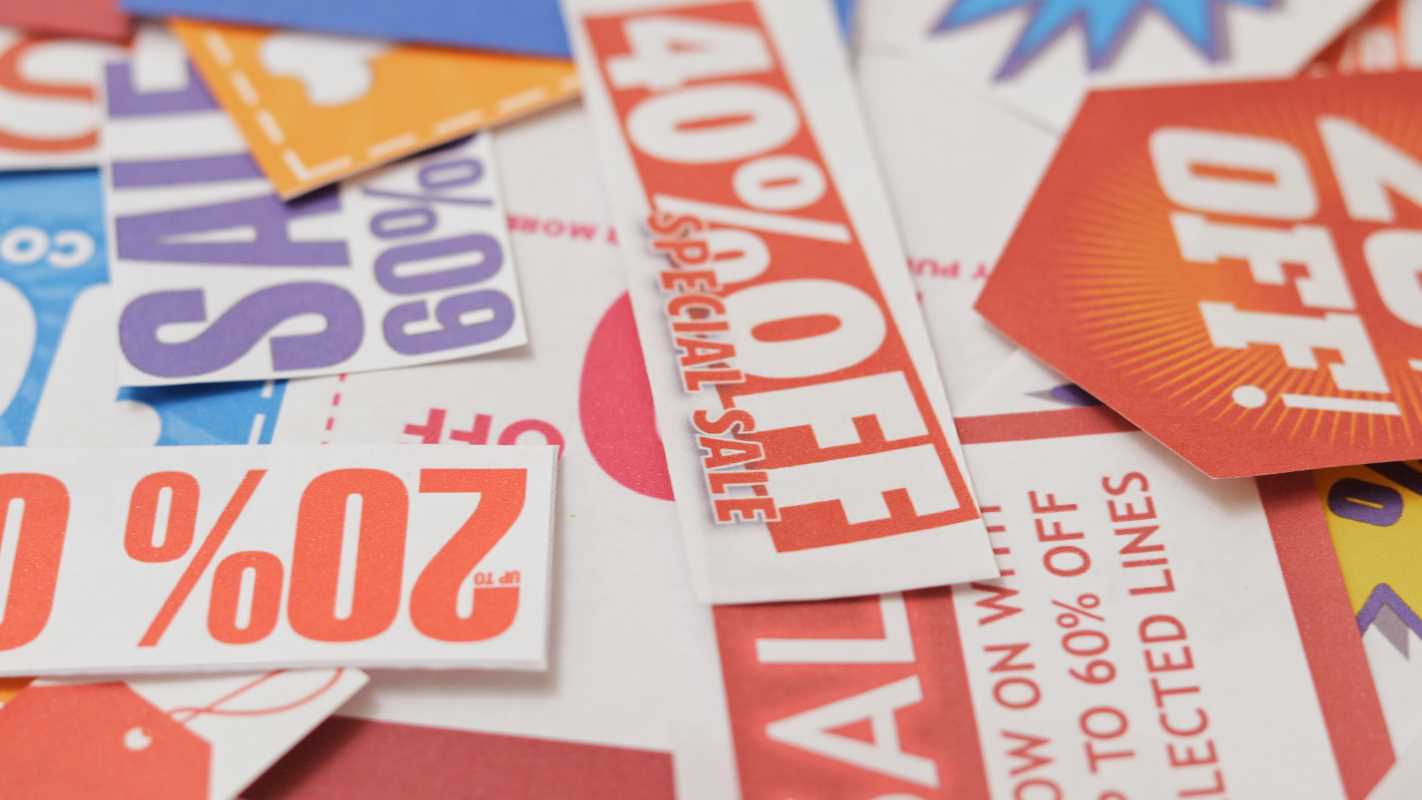
Your inbox can be a minefield of temptation. Retailers are experts at creating a sense of urgency with "flash sale" and "limited time offer" emails. A simple yet powerful habit is to systematically unsubscribe from these marketing lists.
Take 15 minutes to go through your inbox and click the "unsubscribe" link at the bottom of promotional emails. Reducing the number of deals you see is a proactive way to reduce the desire to spend. If you truly need to buy something from a specific store, you can always go directly to their website. This habit helps you shop on your own terms, not on a retailer's schedule.
The Big Payoff: More Than Just Money
Adopting these spending habits does more than just grow your bank account. It builds confidence, reduces financial anxiety, and gives you a powerful sense of control over your life. You begin to make decisions based on your long-term values rather than short-term impulses. This shift in mindset is the ultimate reward. It provides a feeling of peace and freedom that no impulse purchase can ever match. Start with one or two of these habits, and be patient with yourself. Every small step you take is a victory on the path to financial wellness.
The content provided on HugeAmount.com is for informational and entertainment purposes only. It should not be considered as financial, investment, legal, or professional advice. While we strive to provide accurate and up-to-date information, we make no guarantees regarding the completeness, reliability, or accuracy of the content. Always consult with a qualified financial advisor or professional before making any financial decisions.