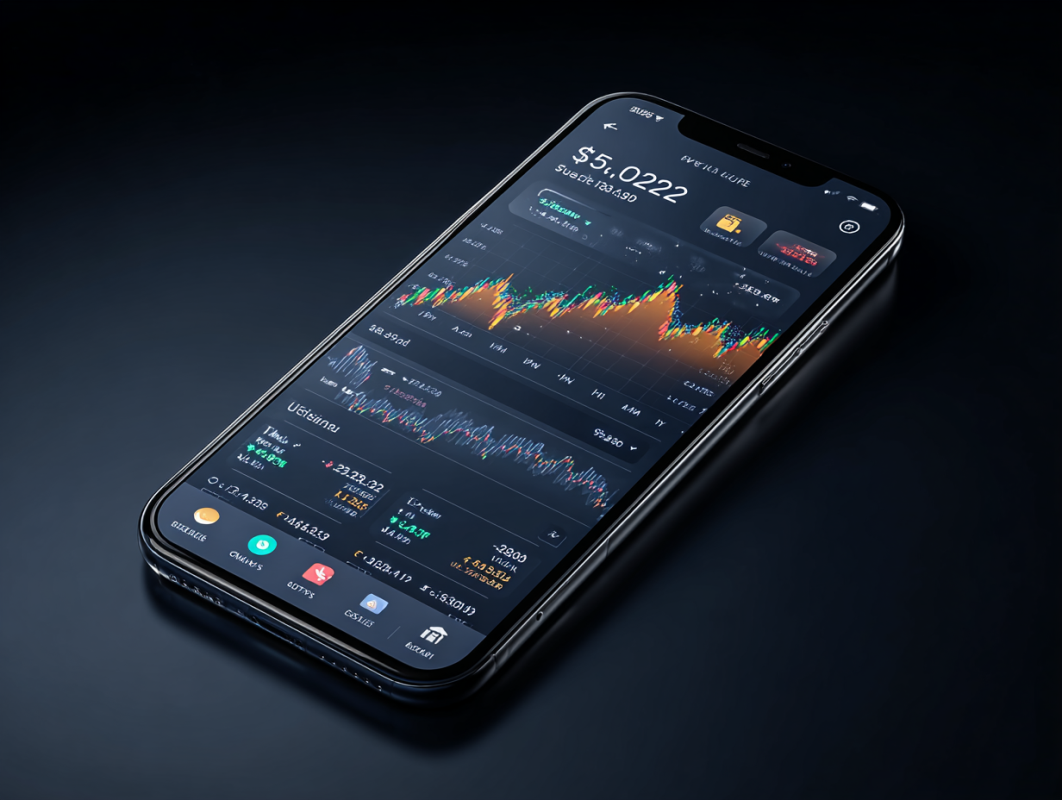
If saving money were easy and simple, everyone would do it. Unfortunately, that's not always the case! You create a budget with the best intentions, but life gets busy, and it's easy to fall off track. What if you could put your savings on autopilot? In our digital world, a whole ecosystem of financial technology is available right at your fingertips. There are powerful apps designed to help you save money effortlessly, working quietly in the background of your daily life. We're here to introduce you to these incredible tools. This guide will explore different types of money-saving apps, how they work, and how you can choose the right ones for your financial journey. Let's get you set up for success.
The Magic of Automated Savings Apps
Automated savings apps are designed to make saving money a seamless and almost invisible process. They operate on the principle of "set it and forget it," removing the need for you to manually transfer money into your savings account. By making small, consistent contributions automatically, these apps help you build your savings over time without feeling the pinch. This approach is powerful because it overcomes common obstacles like forgetfulness and the temptation to spend. It turns saving into a habit you don't even have to think about.
How "Round-Up" Apps Work
One of the most popular types of automated savings tools is the "round-up" app. The concept is simple and brilliant. You link your debit and credit cards to the app. Every time you make a purchase, the app rounds up the transaction to the nearest dollar and saves the difference. For example, if you buy a coffee for $3.50, the app will round the purchase up to $4.00 and automatically transfer the extra $0.50 into a separate savings or investment account for you.
These tiny amounts of "digital spare change" might not seem like much on their own. However, they add up surprisingly quickly. Think about how many small purchases you make in a week. Each transaction contributes a little bit to your savings. Over a year, these small, painless contributions can grow into a significant sum. It's an effective way to save money without altering your spending habits at all. You're simply saving as you spend.
The Power of "Micro-Saving"
Micro-saving is the practice of saving very small amounts of money on a regular basis. Round-up apps are a perfect example of this in action. The psychology behind micro-saving is what makes it so effective. Large savings goals, like building a $1,000 emergency fund, can feel intimidating. The thought of putting aside hundreds of dollars each month might seem impossible.
Micro-saving breaks that large goal down into tiny, manageable steps. Saving $0.50 or $0.75 at a time doesn't feel like a sacrifice. Because the amounts are so small, you barely notice the money leaving your account. This removes the mental barrier to saving and helps you build momentum. As you see your savings balance grow from these small contributions, you'll feel more confident and motivated to continue on your financial journey.
Apps for Budgeting and Expense Tracking
Knowledge is power, especially when it comes to your finances. Budgeting and expense tracking apps give you a clear picture of where your money is going. Many people are surprised to learn how much they spend on certain categories like dining out or entertainment. These apps connect to your bank accounts and credit cards, automatically categorizing your transactions and presenting the information in easy-to-read charts and graphs.
Gaining Financial Clarity
The primary benefit of a budgeting app is financial clarity. It takes all your financial data and organizes it in one place. You can see your total income, your fixed expenses (like rent and utilities), and your variable spending at a glance. This high-level overview helps you understand your cash flow and identify potential problem areas.
Most of these apps allow you to set spending limits for different categories. For instance, you can set a goal to spend no more than $200 on groceries for the month. The app will track your spending in that category and send you a notification when you're getting close to your limit. This real-time feedback helps you make smarter spending decisions throughout the month and stay on track with your budget.
Finding Hidden Savings Opportunities
Once you can see exactly where your money is going, you can start to find opportunities to save. A good budgeting app will highlight your spending habits. You might discover that you're spending more than you realized on subscription services or daily coffee runs. Seeing the numbers in black and white can be the motivation you need to make a change.
Some apps even have features that analyze your spending and offer personalized savings suggestions. They might identify recurring bills that could be negotiated for a lower rate or point out subscriptions you may no longer need. By using these insights, you can proactively cut costs and free up more money to put toward your financial goals, whether that's paying off debt or saving for a big purchase.
Cashback and Rewards Apps
Why not get paid for the shopping you're already doing? Cashback and rewards apps offer you a percentage of your purchase back when you shop at participating retailers. This is essentially free money. While the individual rewards might be small, they can accumulate into a nice payout over time. These apps are a fantastic way to supplement your savings without any extra effort.
How to Maximize Your Cashback
There are several types of cashback apps. Some require you to shop through their online portal to earn rewards. Others are browser extensions that automatically find and apply coupon codes and cashback offers when you check out online. There are also apps that link directly to your credit or debit card. You simply activate offers in the app, and when you shop at that store with your linked card, you automatically earn cashback.
To get the most out of these apps, you can "stack" your rewards. For example, you could use a cashback credit card to make a purchase through a cashback app's portal, earning rewards from both your card and the app. It's a simple strategy that can double your earnings on a single purchase. Just be sure to pay off your credit card balance in full each month to avoid interest charges, which would cancel out any rewards you earn.
Turning Rewards into Real Savings
Once you've accumulated some cashback, most apps allow you to redeem it in various ways. You can often get the money deposited directly into your bank account or PayPal, or you can opt for a gift card, sometimes at a bonus rate.
A great way to make these rewards count is to treat them as a savings bonus. Instead of just letting the cash get absorbed into your regular spending, create a rule for yourself. Every time you cash out your rewards, transfer that money directly into your savings account. This turns your everyday shopping into another tool for building your emergency fund, vacation fund, or investment portfolio.
The content provided on HugeAmount.com is for informational and entertainment purposes only. It should not be considered as financial, investment, legal, or professional advice. While we strive to provide accurate and up-to-date information, we make no guarantees regarding the completeness, reliability, or accuracy of the content. Always consult with a qualified financial advisor or professional before making any financial decisions.